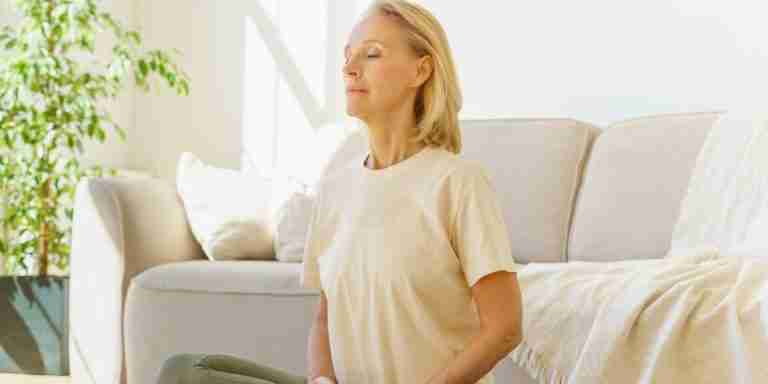
Let’s be real, life moves fast, and your nervous system feels it. If you’ve been craving a yoga practice that doesn’t push you to “perform,” Slow Flow Yoga is the calm, steady alternative. It’s movement that feels like a deep breath: slower transitions, longer holds, and just enough effort to help your body unwind.
But here’s the part most people don’t realize: Slow Flow only feels soothing when your body feels supported. A slippery mat, sore knees, or struggling to reach the floor can turn a calming practice into frustration. In this guide, I’ll show you what Slow Flow Yoga really is, what it feels like in a real class, and the simple “start smart” path, plus the beginner setup that makes home practice feel comfortable and sustainable.
What Is Slow Flow Yoga? (It’s Deeper Than Just “Slow”)
If I had to describe what Slow Flow Yoga is in one sentence, I’d call it a moving meditation. But that only scratches the surface. At its heart, this practice is a conscious dialogue between your body, your breath, and your mind.
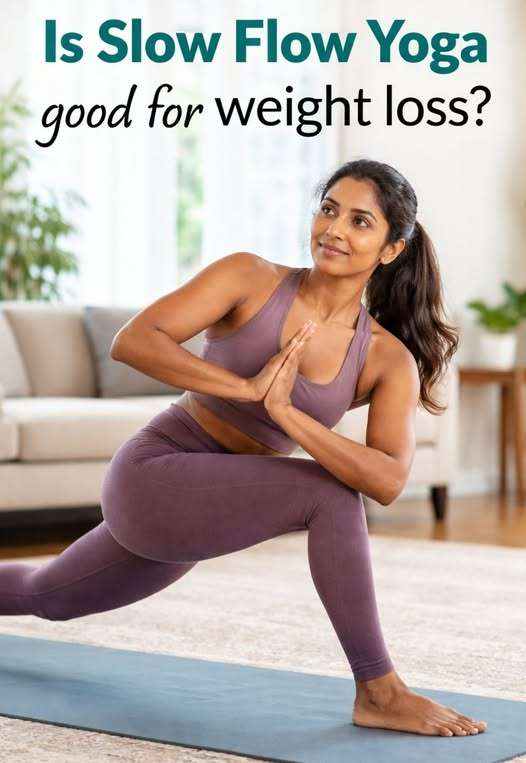
Unlike static styles of yoga where you hold poses for a long time, Slow Flow Yoga does keep you moving. The key is in the quality of that movement. We move slowly and deliberately, linking one conscious breath to one conscious movement. Inhale to reach your arms up. Exhale to fold forward. Inhale to find a flat back. Each transition is just as important as the poses themselves.
This mindful pace creates space for three powerful things:
- Awareness: You have time to notice how your body feels. Is your right shoulder tighter than your left? Is your hamstring whispering instead of screaming? This awareness is the first step toward healing and intelligent movement.
2. Alignment: Instead of rushing into the “final shape” of a pose, you learn the steps to get there safely. You have time to adjust your feet, engage the right muscles, and use props to support your body. This builds a strong, sustainable practice.
3. Integration: The slow pace allows your mind to fully connect with the physical sensation. It’s not just your body doing a lunge; it’s your entire being experiencing the lunge. This unity is where the true magic happens.
So, while the name highlights the speed, the real answer to “What is Slow Flow Yoga?” is found in its depth. It’s about finding the entire universe of sensation in a single, slow, and mindful motion.
Slow Flow Yoga vs. Vinyasa: The Real Difference Explained
Many people hear “flow” and think of Vinyasa Yoga, and they’re not wrong, Slow Flow Yoga is a type of Vinyasa. But understanding the difference is key.
Imagine two rivers. A powerful Vinyasa class is like a rushing river. It’s dynamic and vigorous. You move quickly from one pose to the next. The focus is on cardio, strength, and that powerful, energizing sweat.
Slow Flow Yoga, on the other hand, is like a deep, meandering river. It’s calm, steady, and purposeful. You might hold poses for three, four, or five breaths. The focus shifts from physical exertion to internal exploration. The goal isn’t to get your heart pounding, but to get your nervous system to settle down.
Let’s break it down:
| Aspect | Slow Flow Yoga | Powerful Vinyasa |
|---|---|---|
| Pace & Rhythm | Deliberate, steady, meditative. | Dynamic, continuous, vigorous. |
| Primary Focus | Internal awareness, stress relief, subtle alignment. | Physical fitness, building heat, cardio. |
| Best For | Stress reduction, beginners, injury recovery, mind-body connection. | A physical workout, experienced practitioners. |
The bottom line? Vinyasa is often about the doing. What Slow Flow Yoga is about is the being. It’s the difference between running to get somewhere and taking a slow, mindful walk to appreciate the scenery.
What to Expect in a Typical Slow Flow Class (Settling Into Your Practice)
Walking into your first class is often when people truly understand what Slow Flow Yoga is. The room tends to be softly lit, the music is calm if it’s played at all, and the overall energy feels supportive rather than intense. It’s designed to be a sanctuary.
While every teacher has their unique style, most classes follow a similar, nurturing arc:
You’ll Begin by Centering
The class won’t start with a bang. You’ll likely begin by sitting or lying down, taking several moments to simply arrive on your mat. This is where we transition from “doing” mode to “being” mode, a core principle of what Slow Flow Yoga aims to teach. You’ll be guided to notice your breath and set a gentle intention for your practice.
Then, You’ll Warm Up Gently
Next, we awaken the body with simple, intuitive movements. Think cat-cow stretches to mobilize the spine or gentle shoulder rolls to release the tight spots you carry from your day. We might move through a mindful version of a Sun Salutation, but we’ll take our sweet time with each part, feeling the entire journey.
The Heart of the Practice: The Mindful Flow
This is where the main sequence unfolds. The teacher guides you through a series of poses, much like weaving a tapestry. You might move from a Low Lunge to Warrior II, holding each one for several full breaths. This is the essence of Slow Flow Yoga, having the time to feel your muscles engage, notice your balance, and use props not as a crutch, but as a tool for intelligent alignment. The transitions are smooth and conscious; it’s a true flow, just at a pace that allows for full awareness.
You’ll Always End with Deep Rest (Savasana)
No Slow Flow Yoga practice is complete without a generous Savasana. After your body has been thoughtfully engaged, you are guided to lie still and completely let go. This isn’t optional; it’s a vital part of the practice where your nervous system integrates all the benefits, sealing in the calm you’ve cultivated.
Who Is Slow Flow Yoga For? (Spoiler: It’s For You)
If you’re wondering if this practice is for you, let me make it simple: if you have a body and a mind, Slow Flow Yoga is your practice. It is one of the most accessible and universally beneficial styles. Let’s break it down:
The Stressed-Out or Anxious Individual
If you feel like your engine is constantly idling too high, this is your antidote. The direct benefits for calming the nervous system make Slow Flow Yoga a powerful practice for managing anxiety and finding quiet in a noisy world.
The Yoga Beginner
If you’re new to yoga, this style is perfect. The deliberate pace answers the question “What is Slow Flow Yoga?” by giving you the space to learn poses, understand alignment, and connect with your breath without feeling rushed or lost.
The Seasoned Yogi Looking for Depth
Even if you love a powerful Vinyasa, Slow Flow Yoga offers something invaluable. It invites you to explore the subtle layers, the quiet spaces between breaths, the subtle engagement of a muscle. It makes your entire practice smarter and more sustainable.
Anyone with Injuries or Limited Mobility
Because of its emphasis on mindful adaptation, Slow Flow Yoga is an excellent choice for those working with physical limitations. The slow pace allows you to honor your body’s signals, making it a key part of a compassionate healing journey.
In short, this practice meets you exactly where you are. It’s the definition of an inclusive practice.
Getting Started: Your First Slow Flow Practice
Feeling inspired to give it a try? Wonderful. Here’s how to begin your journey into Slow Flow Yoga with confidence and ease.
What You’ll Need
Slow Flow Yoga feels calming when your body feels supported. And the fastest way to make your first practice “stick” is to remove the small annoyances that pull you out of the moment—slipping hands, sore knees, and reaching for the floor when your hamstrings aren’t ready yet. That’s why the gear that matters most for Slow Flow isn’t fancy. It’s stable.
A supportive mat helps you hold poses longer without discomfort, a block gives you instant confidence in lunges and forward folds, and a strap lets you work on flexibility without forcing it. If you want a simple setup that fits beginners, stressed-out bodies, and anyone easing back into movement, start with the essentials first. I put the exact beginner-friendly picks and “best for” breakdowns in my quick guides below so you can choose based on your body and goals.
Best Yoga Mats for Slow Flow Yoga (2026 Buyer Guide).
Best Yoga Mats for Beginners (Non-Slip + Joint-Friendly).
Best Yoga Props for Slow Flow Yoga (Blocks + Straps + Support).
Cultivate the Right Mindset
The most important “tool” is your attitude. Leave expectations of performance at the door. Slow Flow Yoga is about exploration, not achievement. Some days your body will feel open; other days, tight. The practice teaches you to welcome it all with curiosity.
Finding a Class
You have two great options:
Local Studios: Check schedules for classes called “Slow Flow,” “Gentle Vinyasa,” or “Mindful Flow.” Don’t hesitate to call and ask for a recommendation for your first time.
Online Platforms: This is a fantastic way to start. Platforms like YouTube, Glo, and YogaGlo offer countless Slow Flow Yoga classes. You can filter by length and teacher to find the perfect fit from your living room.
A Note for Your First Class
Arrive a few minutes early. Let your teacher know it’s your first class, they’ll be happy to guide you. Remember to breathe, listen to your body, and above all, be kind to yourself. You are beginning a beautiful, ongoing conversation with yourself.
Frequently Asked Questions (Your Slow Flow Curiosities, Answered)
It’s completely normal to have questions before trying something new. Here are honest answers to some of the most common questions I hear in my studio.
I’m not flexible at all. Can I really do Slow Flow Yoga?
Let me be direct: this is the very best reason to start. What is Slow Flow Yoga if not the perfect answer to this concern? Unlike faster practices where you might feel pressured to keep up, the slow pace gives your muscles time to gently release. We focus on your personal “edge”, where you feel a gentle stretch, not pain. With props and modifications, every pose meets your body where it is today. Your flexibility will improve naturally as a happy side effect.
Is Slow Flow Yoga good for weight loss?
This is a thoughtful question. While it’s not a high-calorie burner like running, it supports healthy weight management in smarter ways. First, it’s fantastic for lowering cortisol, that stress hormone that encourages belly fat storage. Second, it builds lean muscle, which revs up your metabolism over time. Most importantly, it cultivates the body awareness that often leads to healthier choices off the mat. It’s about sustainable wellness, not quick fixes.
How is Slow Flow different from Yin or Restorative Yoga?
This is a crucial distinction! While all three are slower practices, their purposes differ:
– Slow Flow is active meditation. You’re moving and engaging your muscles while maintaining deep awareness.
– Yin Yoga is passive depth. You settle into floor-based poses for several minutes to target deep connective tissues.
–Restorative Yoga is complete relaxation. Supported entirely by props, you release all muscular effort to calm your nervous system.
Think of it this way: Slow Flow Yoga is for when you have gentle energy to move mindfully. Yin is for your deep tissues. Restorative is for when you’re completely drained.
How often should I practice to feel benefits?
Even once a week can create noticeable shifts in your stress levels and body awareness. That said, consistency trumps duration. A 20-minute home practice twice a week will likely serve you better than one long monthly session. The beauty of Slow Flow Yoga is that it becomes a practice you crave, not just another item on your to-do list.
Your Journey to a Calmer, Stronger You Begins Slowly
In a world that constantly shouts “faster, higher, stronger,” choosing to move slowly becomes a revolutionary act of self-care. This isn’t about keeping up; it’s about tuning in.
What is Slow Flow Yoga at its core? It’s remembering how to be present in a distracted world. It’s the sanctuary where you give yourself permission to listen, to that tight shoulder, that racing thought, that need for stillness. It’s where you discover that real strength has nothing to do with force, and everything to do with showing up, breath after conscious breath.
The calm you cultivate on the mat doesn’t stay there. It follows you into your day, in that deep breath you take during a stressful meeting, in the extra moment of patience you find with your children, in the way you stand a little taller simply because you’re more aware of your body.
This is the true gift of this practice: it helps you build a kind, honest friendship with yourself.
So unroll your mat with an open heart. Don’t worry about getting every pose “right.” Just show up. Breathe. Move with intention. Your journey doesn’t need to be fast. It just needs to be yours.
Your mat, and the calmer, stronger person you’re becoming, is waiting.
About the Author