
As a dedicated yoga practitioner, I’ve had many opportunities to reflect on the intersection between cultural appropriation and yoga. It’s a conversation that frequently arises, especially as yoga becomes more globalized. While yoga started in India thousands of years ago, its journey to the West has created a unique dynamic where its cultural roots sometimes seem overshadowed by commercialization. Through my years of practice, I’ve come to appreciate yoga not only for its physical benefits but for its rich cultural and spiritual heritage, which brings me to the topic of cultural appropriation in yoga, a subject worth exploring and reflecting upon.
What Is Cultural Appropriation?

Before delving into the nuances of cultural appropriation and yoga, it’s important to define what cultural appropriation actually is. Cultural appropriation refers to the act of borrowing or taking elements from another culture without permission or understanding, often in a way that distorts or diminishes the original meaning or significance of those elements. It’s particularly problematic when these practices come from marginalized cultures, as the people of those cultures are often not given credit for their contributions. In the context of yoga, cultural appropriation happens when aspects of yoga, whether through practices, language, or symbolism are used or commercialized by those outside of the culture it originates from, often with little regard for its deep historical or spiritual context.
Yoga’s movement from India to the West has undoubtedly brought many positive benefits, but it has also led to some critical questions about cultural sensitivity and respect. We see yoga clothing lines adorned with Sanskrit phrases, “yoga” being reduced to trendy fitness classes, and postures performed without any consideration of the roots from which they emerged. This can often dilute the original essence of yoga and turn it into a commodity, disconnected from the spirituality that made it meaningful for centuries.
The Commercialization of Yoga in the West
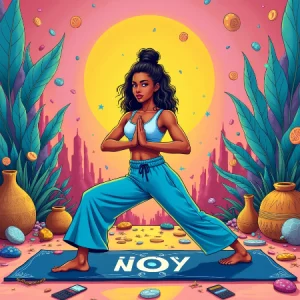
When I first started practicing yoga, I was drawn to it because of the flexibility, stress relief, and strength I experienced in my body. But over time, I found that yoga had much more to offer, it’s a way of life, a philosophy, and a spiritual practice. As I deepened my practice, I also explored the cultural and spiritual contexts from which yoga emerged. What I learned was eye-opening: yoga wasn’t just about physical postures (asanas); it was about mindfulness, breathwork, meditation, and a path to self-realization. Yet, in the West, the practice of yoga is often presented in a way that focuses primarily on the physical aspects, while the spiritual teachings are often overlooked or trivialized.
Many Western studios emphasize the physical postures and achieve a “yoga body” through a series of exercises, which can unintentionally contribute to cultural appropriation. Yoga is commodified, marketed as a product, and stripped of the depth that exists in its cultural origins. The “yoga lifestyle” is widely advertised, but it’s often detached from its Indian roots. For example, yoga mats with Sanskrit words, and even the use of ancient symbols, are sold without much explanation of their cultural or spiritual significance. This commercialization, often seen in yoga studios, wellness centers, and retail stores, risks turning yoga into a trendy workout or fashion statement—something divorced from the very cultural and philosophical context that makes it so profound.
The Intersection of Cultural Appropriation and Yoga
Yoga’s spread to the West has sparked important discussions about its authenticity and respect for its roots. From my perspective, cultural appropriation and yoga often intersect in subtle but impactful ways. There are moments when yoga is reduced to a physical workout with no acknowledgment of the spirituality or cultural context behind it. Yoga has a deep, rich history in India, tied to spiritual disciplines, philosophies, and practices that are meant to bring individuals closer to self-awareness, balance, and unity with the universe.
In my practice, I’ve encountered many situations where cultural appropriation and yoga are at odds with one another. The appropriation becomes most visible in the ways yoga has been redefined in the West, mainly when the teachings of ancient sages and yogis are commercialized, and spiritual rituals like chanting mantras or meditating are performed for the sake of novelty or trendy appeal. While there’s certainly a place for modern interpretations of yoga, it’s important to recognize the damage that can be done when elements of the practice are used with little regard for the beliefs and values they carry.
Why Cultural Sensitivity Matters in Yoga
Understanding the importance of cultural sensitivity is key to practicing yoga with respect. The first step is to learn about yoga’s history and the cultural traditions from which it originates. Yoga is much more than physical poses; it’s about connection, both to the self and to a higher power. The philosophy that underpins yoga comes from ancient texts like the Bhagavad Gita and the Yoga Sutras, which were written centuries ago. These texts contain spiritual wisdom that continues to guide yogis around the world, emphasizing mindfulness, meditation, and ethical principles like non-violence (ahimsa), truthfulness (satya), and contentment (santosha).
The spiritual aspects of yoga are often overshadowed in the West, but these teachings are integral to the practice. When I began to explore yoga beyond the physical postures, I realized that these practices were designed to connect people with something greater than themselves. It’s a holistic approach to life—one that encourages mindfulness, peace, and balance. As a practitioner, I feel it’s essential to incorporate these values into my yoga journey, and by doing so, I’m also honoring the culture and traditions that gave rise to yoga.
How We Can Honor Yoga’s Cultural Origins
There are several ways to practice yoga with respect to its cultural roots. First and foremost, we must acknowledge that yoga has a rich and vibrant heritage. It’s not a trend or a marketing gimmick; it’s a way of life that has been practiced for thousands of years. To avoid cultural appropriation, we must approach yoga with humility and an openness to learning.
One of the most effective ways to honor the cultural origins of yoga is to learn about its deeper spiritual and philosophical foundations. This can involve reading traditional texts, studying the teachings of Indian yogis, or participating in workshops that delve into the cultural aspects of yoga. I also find it helpful to practice with teachers who are knowledgeable not only about the physical postures but also about the philosophy, ethics, and cultural history that are essential to yoga.
It’s equally important to give credit where credit is due. When using Sanskrit terms, symbols, or philosophies, we should approach them with respect, ensuring that we understand their meanings and usage. As practitioners and teachers, we should make an effort to preserve the integrity of the practice by being mindful of how we present it to others.
Conclusion: A Balanced Approach to Yoga
Cultural appropriation and yoga is a complex issue, but it’s one that can be navigated with thoughtfulness and respect. In my own yoga practice, I’ve learned that embracing yoga’s cultural heritage enriches my experience and deepens my connection to the practice. By understanding and honoring the roots of yoga, we can ensure that we are participating in the practice with respect and authenticity. Yoga has the power to transform lives, but it’s up to each of us to ensure that we engage with it in a way that preserves its cultural significance and spiritual depth. As we continue to grow and evolve as a global yoga community, let’s remain mindful of the responsibility we have to uphold the integrity of yoga’s origins.
About the Author