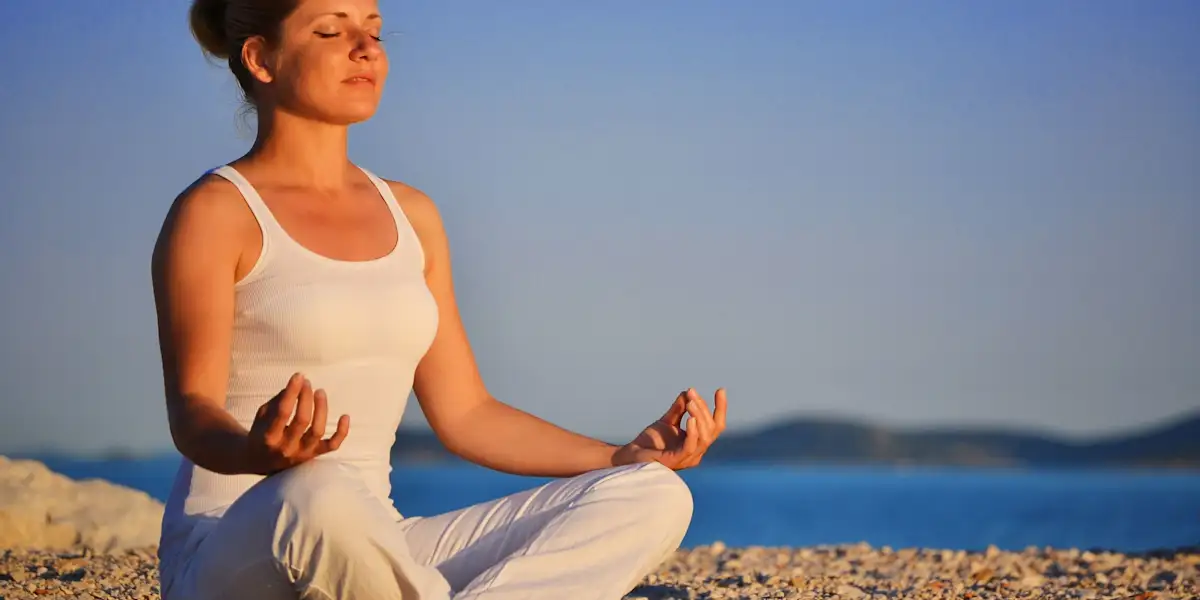
Meditation is one of those practices that many people talk about, but few truly understand. Over time, I’ve realized that a lot of the information surrounding meditation can be misleading or just plain wrong. It’s easy to get discouraged when myths and misconceptions are passed around, especially if you’re someone new to the practice. In this article, I’m going to address some of the most common misconceptions about meditation, share my personal experiences with these myths, and help clear up any confusion that might be holding you back from diving into your meditation practice.
Meditation Requires a Completely Empty Mind
One of the most popular misconceptions I’ve come across in my own journey is the idea that meditation demands a completely empty mind. When I first began, I struggled with this concept a lot. Every time a stray thought appeared during my practice, I felt like I was failing. I used to think that the only way meditation could be effective was if my mind was completely silent. In truth, meditation doesn’t require us to silence every thought. Instead, it’s about observing your thoughts as they come and go without getting caught up in them. The practice isn’t about removing thoughts entirely; it’s about learning to engage with them more mindfully. I’ve found that when I simply acknowledge my thoughts without judgment, I’m much more able to cultivate a sense of calm.
Meditation is Only for Spiritual Seekers
Another misconception I used to believe was that meditation was only for people on a spiritual path. For a long time, I avoided meditation because I didn’t see myself as a particularly spiritual person. I thought that meditation was something meant for monks or those deeply involved in religious practices. What I eventually learned is that meditation is for everyone, regardless of their spiritual beliefs or lack thereof. Whether you’re looking to improve focus, reduce stress, or just take a moment to center yourself, meditation can offer benefits for all aspects of your life. I’ve found that meditation has made me more present in my day-to-day activities, whether at work or spending time with friends and family. It’s not about subscribing to a particular belief system but about giving your mind a chance to reset and refocus.
Meditation Demands Hours of Practice
Many people think meditation is only effective if you commit hours at a time. I certainly thought that at first. I imagined that if I wasn’t dedicating at least an hour to meditating, I was wasting my time. However, I soon discovered that even a short meditation session can be highly beneficial. In fact, some of my most peaceful and grounding experiences have come from just five or ten minutes of focused breathing. Meditation isn’t about the length of time spent sitting—it’s about the quality of your attention. Over time, I realized that the consistency of my practice mattered more than the duration. Short, regular sessions can bring about long-lasting improvements in your mental well-being.
You Have to Achieve a Certain State of Mind
Another common misconception I had about meditation was that it required me to achieve a specific mental state. Whether it was a deep sense of tranquility or a spiritual awakening, I believed that meditation had to lead me to a particular experience in order to be successful. Over time, I learned that there is no “right” or “wrong” experience during meditation. Some days, my mind is calm, while other days, it’s racing with thoughts. The point of meditation isn’t to force yourself into a specific mental or emotional state but to practice awareness in whatever state your mind is in. I’ve learned to accept whatever comes up during my practice, and in doing so, I’ve felt more at peace with myself, regardless of whether my meditation is calm or chaotic.
Meditation Requires Sitting in a Cross-Legged Position
When I first started meditating, I assumed that the only acceptable posture was sitting cross-legged on the floor. I imagined that if I wasn’t sitting in this traditional pose, my practice wasn’t “authentic.” However, as I continued with my practice, I realized that there is no one-size-fits-all position for meditation. I’ve meditated sitting in a chair, lying down, and even while walking. The most important aspect of your meditation posture is that it helps you stay present and comfortable without causing pain or discomfort. In fact, it’s better to find a position that allows you to stay focused and relaxed, whether that means sitting on a cushion or reclining on your back.
Meditation is an Instant Fix for Stress
Another misunderstanding I had early on was the belief that meditation could instantly alleviate stress and anxiety. I thought that just a few minutes of quiet meditation would completely remove any tension or negative feelings. What I’ve learned through experience is that meditation is a long-term tool, not a quick fix. While meditation can certainly help calm the mind in the moment, its true benefits are cumulative. Meditation helps build emotional resilience, so over time, you’re better able to handle stress and difficult emotions. But like any practice, it takes time to see results. Patience is key.
Meditation Requires Complete Silence
I used to believe that in order to meditate effectively, I had to find a completely silent space. I would seek out quiet corners and secluded spots, assuming that if there was even the slightest noise around me, I wouldn’t be able to meditate properly. What I’ve realized, however, is that complete silence isn’t necessary for meditation. Meditation is about cultivating a certain level of awareness and focus, even in less-than-perfect conditions. I’ve found that I can meditate just as effectively in a bustling coffee shop as I can in a quiet room. The key is learning to focus your attention, regardless of external distractions. Meditation is about cultivating inner stillness, not about controlling the external environment.
Meditation Requires Special Tools or Gadgets
Many people think that you need fancy gadgets or tools to meditate properly. I once felt like I needed a special cushion, incense, or meditation apps to create the “right” environment. However, I’ve learned that none of these things are necessary. While certain tools might enhance your practice, they’re not essential. All you really need is a quiet space and the willingness to focus your mind. Meditation is, at its core, a mental practice, and it doesn’t depend on external objects. In fact, some of the best meditation sessions I’ve had have been when I’ve stripped everything down to just myself and my breath.
Conclusion
Over the years, I’ve come to realize that there are many misconceptions about meditation. These myths can often create unnecessary barriers, preventing people from experiencing the true benefits of meditation. What I’ve learned is that meditation is a deeply personal practice, and there’s no one “right” way to do it. Whether you meditate for five minutes a day or for an hour, whether you sit cross-legged or in a chair, and whether your mind is calm or active, the most important thing is to simply begin. Meditation is about practice, not perfection, and it’s something that everyone can benefit from, no matter their background or belief system. If you’ve been hesitant to start your meditation practice because of these common misconceptions, I encourage you to give it a try and experience the benefits for yourself.
About the Author