As the new year rolls around, many of us are caught up in the excitement of setting resolutions. These promises are meant to guide us toward improvement, but more often than not, they’re abandoned before the first quarter of the year is over. If you’re like me, you’ve probably experienced the all-too-familiar cycle of setting grand goals, pushing hard for a short while, and then feeling like a failure when things inevitably don’t go as planned. After years of this pattern, I began to wonder—what if the problem wasn’t the goals themselves, but the approach I was taking to them? That’s when I realized that the key to personal growth isn’t in rigid resolutions but in establishing meaningful rituals. Let me share with you why you need rituals not resolutions and how they’ve shifted my perspective and transformed my life.
The Shortcomings of Resolutions
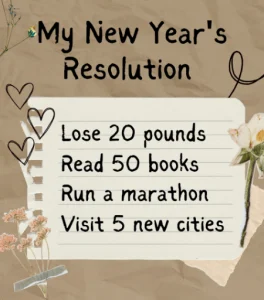
In my earlier years, resolutions were a big deal. At the start of every year, I’d scribble down my intentions with excitement and optimism. “Lose 20 pounds,” “read 50 books,” “run a marathon,” were all common entries on my list. At the time, I felt confident that this was the year I would finally make all of these resolutions stick. But as the months went by, my motivation waned, and my resolutions became distant memories. Instead of feeling proud of the progress I made, I’d feel discouraged by the unmet goals.
The issue with resolutions, I believe, is that they often feel like a “do or die” proposition. The mindset behind resolutions is that success is defined by achieving a specific goal or target, and if you fall short, you’ve failed. This type of thinking is rooted in perfectionism, and as we all know, perfection is an unattainable ideal. When I fell short, instead of looking at what I had achieved, I only focused on what was left undone. This all-or-nothing mentality breeds guilt and a sense of defeat, making it harder to try again.
As I began reflecting on this pattern, I realized I needed to change how I approached personal growth. Rather than setting myself up for failure with unrealistic resolutions, I started to explore a different path—a more sustainable one.
Rituals: A More Sustainable Approach
In contrast to resolutions, rituals are rooted in consistent practice and mindfulness. Rituals don’t demand perfection; they allow for flexibility and imperfection. A ritual could be as simple as dedicating five minutes each morning to meditate, stretching before bed, or taking a walk after lunch. The goal isn’t to achieve an end result but to enjoy the process and make it a part of your daily routine. The more I embraced rituals in my own life, the more I began to see their lasting impact.
By focusing on the act itself rather than the outcome, rituals allowed me to build habits that felt nurturing and aligned with my values. I began to set intentions based on the experience of doing something, rather than on what I hoped to achieve at the end of it. For example, rather than resolving to run a certain distance each week, I made a ritual out of walking every morning as a way to ground myself before starting the day. Some mornings I walked farther than others, but the consistency and sense of connection to the ritual itself brought me more fulfillment than a rigid goal ever had.
Consistency Is Key
One of the most profound benefits of rituals is their ability to cultivate consistency. Unlike resolutions, which often require bursts of intense effort followed by inevitable burnout, rituals are designed to be integrated seamlessly into our daily lives. They don’t require drastic change; they’re small, incremental practices that add up over time.
When I adopted rituals, I began to notice that my life started to change in subtle yet meaningful ways. Instead of forcing myself to follow a strict regimen that felt like a chore, I embraced daily practices that nourished my body and mind. I became more in tune with myself, and my habits evolved naturally over time. By incorporating small rituals like lighting a candle before meditating or preparing a cup of herbal tea in the evening, I built consistency into my life in a way that felt sustainable. This steady practice laid the groundwork for lasting transformation—something I never experienced when chasing after resolutions.
Rituals Are Personal and Adaptable
Another powerful aspect of rituals is that they’re deeply personal. Resolutions often come with external expectations, such as societal norms or cultural pressures, dictating what we should be achieving. But rituals are born from our inner needs and desires. They allow us to create practices that resonate with our individual circumstances, helping us feel grounded and centered in a way that feels true to ourselves.
For example, instead of committing to a strict gym routine, I began practicing yoga at home as a way to reconnect with my body and center myself. Some days, I would do a full 30-minute session; on others, just a few stretches or a few minutes of breathing exercises. The ritual wasn’t about perfection—it was about showing up for myself, no matter how small or simple the practice. And that flexibility made all the difference. If I was tired or had limited time, I could adjust my ritual accordingly. Rituals give us the freedom to tailor our practices to what we need in the moment, which makes them more effective and sustainable in the long run.
Mindfulness: The Foundation of Rituals
Mindfulness is another key ingredient in rituals. In today’s fast-paced world, we’re often rushing from one task to the next, with little time to pause and reflect. Rituals, however, invite us to slow down and pay attention to the present moment. Whether it’s a morning cup of tea, a five-minute journaling session, or a quiet walk in nature, rituals create space for mindfulness.
By making mindfulness a part of my rituals, I’ve learned to be more present in every moment. Instead of worrying about what I need to do next, I’m able to savor the small things—like the warmth of the sun on my face during a walk or the calming scent of lavender while preparing dinner. These moments of presence are what make rituals so transformative. They allow us to reconnect with ourselves and the world around us in a more meaningful way.
Rituals Lead to True Change
The most significant reason why you need rituals not resolutions is that rituals lead to real, lasting change. Change isn’t something that happens overnight; it’s the result of consistent effort, self-awareness, and the willingness to evolve. Unlike resolutions, which often hinge on achieving a specific goal by a certain deadline, rituals focus on the process of growth. They’re about the small daily choices that, over time, accumulate into profound shifts in our lives.
When I started practicing rituals, I didn’t expect immediate results. But as the weeks turned into months, I began to notice that my mindset, my habits, and my life were changing in subtle yet meaningful ways. I no longer felt the pressure of unattainable goals. Instead, I felt empowered by the small, consistent actions I was taking each day.
Through rituals, I found that true transformation comes from the act of showing up for yourself, day after day, with patience and love. It’s not about perfection—it’s about progress. By embracing rituals, I’ve been able to create lasting change in a way that feels sustainable, fulfilling, and deeply connected to who I am.
Conclusion
If you’re tired of the disappointment that comes with broken resolutions, it’s time to try something different. Rituals offer a sustainable path to growth that’s rooted in consistency, mindfulness, and personal connection. By embracing rituals, you free yourself from the burden of perfection and allow yourself to transform at your own pace. So, the next time you feel the pressure to make a New Year’s resolution, ask yourself: How can I create a ritual that aligns with my goals and honors my well-being? The journey toward lasting change begins with the small, intentional steps we take every day.
Ultimately, it’s not about achieving a specific goal—it’s about cultivating practices that support who we are and who we want to become. Embrace rituals, and you’ll discover a path to growth that’s grounded, fulfilling, and sustainable.
About the Author