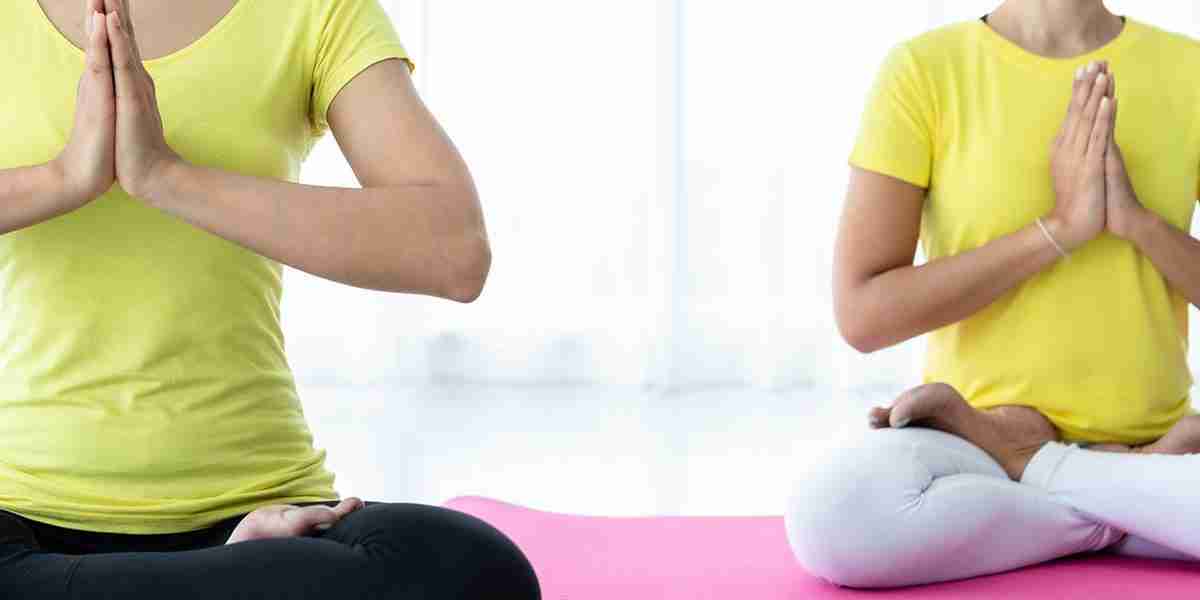
When I first ventured into meditation, I didn’t think much about how I was sitting. I figured that as long as I was quiet and had my eyes closed, that was enough. But as I kept practicing, I quickly realized posture plays a much bigger role than I ever imagined. If you’re serious about deepening your practice, you’ll want to understand everything you need to know about meditation posture.
Why Good Posture Matters
Proper posture isn’t just about looking good while meditating. It’s the foundation for a stable and peaceful practice. If you’re uncomfortable or slouched, your mind tends to wander more easily. I’ve noticed that when I take time to set up my posture properly, I’m more focused, my breathing feels smoother, and the overall experience is much more calming.
Good posture also protects your body over time. Sitting the wrong way for long periods can cause aches, stiffness, or even injury. Everything you need to know about meditation posture begins with understanding that physical comfort and mental alertness go hand in hand.
Setting the Right Base
When I talk about building a solid meditation posture, I always start from the ground up. Your seat — whether it’s a meditation cushion, bench, or chair — is your foundation. If you’re sitting on the floor, make sure your hips are higher than your knees. This simple shift eases pressure on the lower back and makes it easier to keep your spine straight.
When I use a cushion (which I highly recommend for beginners), it tilts my pelvis slightly forward, allowing my back to naturally align. If you prefer using a chair, pick one that lets you place your feet flat on the floor. Your thighs should ideally be parallel to the ground.
It’s okay to adjust during meditation if you need to. I used to think moving meant I was “failing” at sitting still. Now, I realize mindful adjustments are part of honoring my body’s needs.
The Role of the Spine
Keeping the spine upright is at the core of everything you need to know about meditation posture. Think of your spine as a tall tree rooted deeply in the earth yet reaching toward the sky. You want to be upright but not rigid.
When I sit, I imagine a string gently pulling the top of my head upwards. This helps me feel long and open. If you slump forward or lean back too much, you’ll likely feel sleepy or restless. Keeping the spine long invites alertness and deepens the meditative state.
Positioning Your Hands and Relaxing Your Shoulders
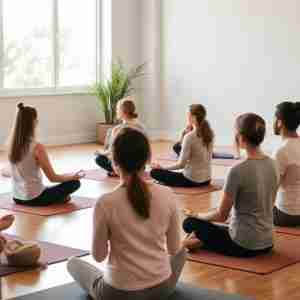
Hand placement might seem minor, but it can affect your meditation. I typically rest my hands on my thighs, palms either facing down for grounding or up for receiving energy. Another option I like is forming a simple mudra by resting one hand inside the other and lightly touching the thumbs.
As for the shoulders, keep them soft and relaxed. When I feel tension building up around my neck or shoulders, I pause, breathe deeply, and let them drop away from my ears. A loose and open upper body supports longer, more comfortable sits.
Your head should stay upright, with your chin tucked slightly in. This positioning keeps your neck aligned and reduces strain. Sometimes I imagine balancing a small book on my head — it’s a fun little trick that helps me stay properly aligned.
Adapting Posture to Your Body
One major lesson I’ve learned is that there’s no universal “perfect” meditation posture. Every body is unique. Everything you need to know about meditation posture includes the fact that customization is key.
For example, if sitting cross-legged is uncomfortable for you, don’t force it. Try sitting on a bench, using more cushions, or even lying down for body-scan meditations (just be mindful not to fall asleep). I’ve used folded blankets under my ankles, extra cushions under my knees, and even leaned against a wall for back support when needed.
Listening to your body is critical. Meditation isn’t about gritting your teeth and suffering through discomfort. It’s about finding stillness and ease. If that means changing your setup, that’s not only okay — it’s wise.
Common Pitfalls and How to Avoid Them
When I first began practicing regularly, I fell into several posture traps. I often sat too rigidly, thinking “good” posture meant locking my body in place. This led to stiffness and made it hard to relax.
I also used to cross my legs in a way that caused tingling and numbness. Now I make sure there’s no tightness or pinching before I settle in. Another mistake was ignoring small pains that would build up into bigger ones. Now, if something feels wrong, I adjust early rather than powering through it.
Remember, everything you need to know about meditation posture includes the fact that minor discomfort can turn into major distraction. Taking time to find a supportive posture is part of the practice itself.
Tips for Maintaining Posture During Long Sessions
If you plan to meditate for longer than 20 minutes, some extra tips can make a huge difference. I often check in with my body every few minutes, doing a quick scan from head to toe to notice any tension or tightness.
Stretching before sitting helps a lot too. A few gentle yoga poses like cat-cow, seated forward fold, or butterfly pose loosen up the hips and spine, making it easier to sit still comfortably.
Breathing deeply into areas that feel tight can also work wonders. I like to imagine sending breath directly into my hips, lower back, or shoulders if they start feeling stiff.
Final Thoughts
There’s a lot to learn when it comes to setting up a strong and supportive meditation posture. But at the heart of it, everything you need to know about meditation posture boils down to balance — between effort and ease, strength and relaxation, stillness and softness.
Take your time experimenting. Listen to your body. Use props when needed. Adjust without guilt. The more you honor your body’s natural alignment, the more meditation becomes a refuge rather than a struggle.
I’m still refining my posture after years of practice, and honestly, that’s part of the beauty of the journey. Every time you sit down, you’re creating a fresh opportunity to connect with yourself — body, breath, and mind.
About the Author