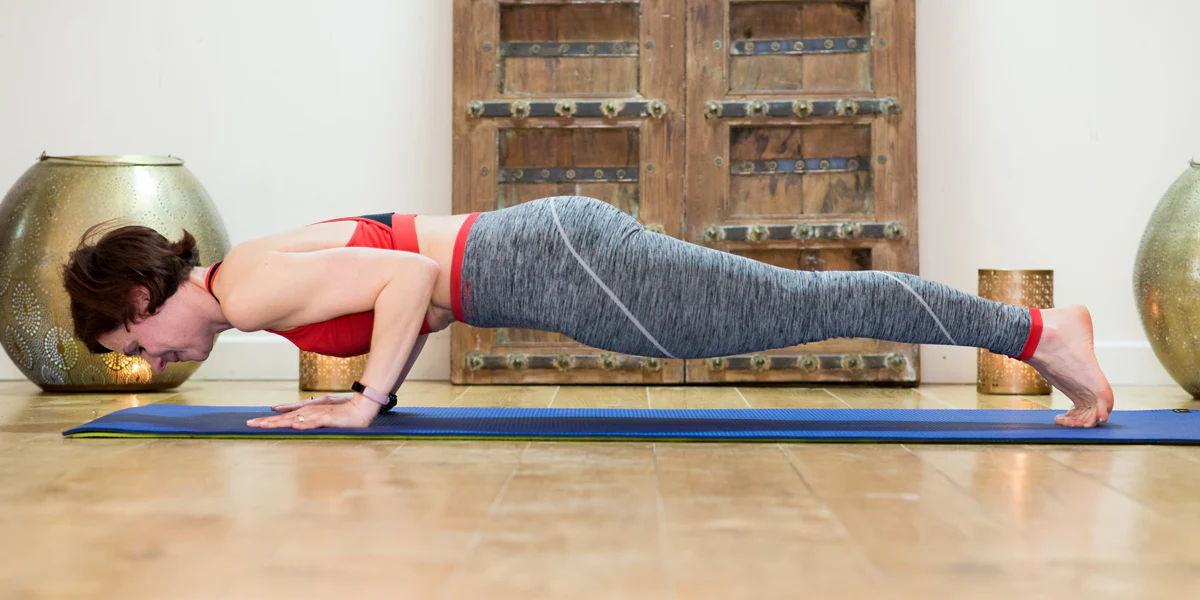
When you first hear the term “personal practice” in yoga, it can seem like just another yoga buzzword. However, this concept is one of the most profound aspects of yoga, and it’s what makes the practice truly transformative. But what exactly is a “personal practice” in yoga? It goes far beyond following a set of instructions in a group class. A personal practice is deeply personal, uniquely tailored to your own needs, and evolves with you over time.
Understanding Personal Practice in Yoga
At its essence, a personal practice in yoga is any practice you do on your own, outside of the structure and guidance of a formal class or workshop. It’s the space where you get to connect with yourself—your body, your mind, and your spirit—on a deeper level. It’s the opportunity to step away from external cues and listen to your own intuition and inner wisdom.
When I first began my yoga journey, I, like many others, practiced primarily in classes. I followed the instructor’s lead, mimicking poses and sequences without much thought about my internal experience. Over time, I found that something was missing. I wasn’t fully present in my practice, nor was I listening to my body’s deeper needs. That’s when I began to explore what exactly is a “personal practice” in yoga and how it could benefit me.
The Freedom of Personal Practice
One of the most liberating aspects of a personal practice is the freedom it offers. When I practice on my own, there are no external expectations or rules to follow. There’s no pressure to keep up with others or follow a predetermined sequence. Instead, I have the liberty to decide what my body and mind need that day.
Sometimes, I might choose a slow and restorative flow that focuses on releasing tension and calming the nervous system. Other days, I feel energized and want to challenge myself with a more dynamic, intense practice. The beauty of a personal practice lies in its adaptability. You don’t have to adhere to a fixed routine or structure. Instead, you’re free to explore what serves you in the present moment.
Personal Practice and Self-Awareness
What exactly is a “personal practice” in yoga if not a powerful tool for self-awareness? Yoga is not just about physical postures—it’s a holistic practice that encourages introspection and mindfulness. Practicing on your own allows you to tune into your body’s signals, notice subtle changes, and become more aware of the thoughts and emotions that arise during your practice.
When practicing in a group setting, it’s easy to get distracted by the environment or to focus solely on completing the poses. But in a personal practice, I’ve found that I’m able to connect much more deeply with my internal state. I can pay attention to where I’m holding tension, where I feel discomfort, and where I need to make adjustments. This awareness allows me to make more mindful decisions during my practice, ultimately enhancing its effectiveness and its impact on my overall well-being.
How to Cultivate Your Own Personal Practice
If you’re wondering how to begin your own personal practice, start by setting an intention. Think about what you want from your practice. Is it physical flexibility, emotional release, or a deeper spiritual connection? Setting an intention helps guide your practice and ensures that you’re focusing on what truly matters to you.
Once you’ve set an intention, choose the postures or sequences that align with your goals. You don’t need a strict plan, but rather a loose idea of what might serve your needs. For example, if you want to focus on opening your hips and releasing tension, you might incorporate poses like pigeon pose or butterfly pose. If you’re working on building strength, you might include more active postures such as plank or warrior poses.
The key is to practice with intention, but also with fluidity. There’s no right or wrong way to structure a personal practice. Sometimes, it might be as simple as doing a few poses in the morning to wake up your body, or it might be a longer, more meditative session where you explore your breath and practice mindfulness.
The Role of Experimentation in Personal Practice
One of the most exciting aspects of a personal practice is the opportunity to experiment. When you practice in a class, you often follow along with the teacher’s instructions, and there’s not much room for exploration. But in your personal practice, you have the space to experiment with different variations of poses, explore new breathwork techniques, and even incorporate other aspects of yoga, like meditation or mindfulness.
I’ve found that when I experiment in my personal practice, I often discover new ways to modify poses that work better for my body or to add variations that bring more depth to my experience. Yoga is a journey of continuous discovery, and a personal practice offers the perfect environment for experimentation without the pressure of doing things “right.”
Letting Go of External Expectations
Another essential aspect of a personal practice is the ability to let go of external expectations. When practicing in a class, it’s easy to get caught up in trying to meet the instructor’s cues or comparing yourself to the others around you. But in a personal practice, you have the freedom to listen to your body without judgment or comparison. This creates a non-competitive environment that allows you to embrace your imperfections and honor where you are in your journey.
Yoga, in essence, is about self-acceptance. Through my personal practice, I’ve learned to be more gentle with myself, acknowledging my limitations without feeling like I need to push beyond them. Some days, I might not have the strength or flexibility I had the day before, and that’s okay. The beauty of a personal practice is that it invites me to show up exactly as I am, without any need to conform to an external standard.
The Transformative Power of a Personal Practice
What exactly is a “personal practice” in yoga if not a transformative experience? Over time, I’ve noticed that my personal practice has become a reflection of my inner growth. It’s not just about getting better at a particular pose or mastering a sequence—it’s about developing a deeper connection with myself and gaining insight into my physical, emotional, and mental states.
Through the years, my practice has helped me become more resilient, more patient, and more compassionate—both toward myself and others. It has become a source of healing and self-discovery, a space where I can explore my innermost thoughts, fears, and desires.
Conclusion
So, what exactly is a “personal practice” in yoga? It’s a unique and evolving journey that is as individual as you are. It’s a practice that encourages freedom, self-reflection, and personal growth. Whether you’re just starting your journey or have been practicing for years, cultivating a personal practice allows you to connect more deeply with your body, mind, and spirit. It’s a beautiful reminder that yoga is not about following a rigid set of rules or meeting external expectations—it’s about honoring yourself and your journey.
About the Author